

Understanding Termite Access Points
Termites are notorious for their ability to infiltrate homes through tiny, often overlooked entry points. Recognizing these access points is crucial in preventing infestations that can lead to severe structural damage.
Even the smallest crack or gap can serve as an open invitation for termites. Homeowners need to be vigilant about sealing potential entryways to protect their property from these destructive pests.
By identifying and addressing access points, you can significantly reduce the risk of termite infestations and maintain the integrity of your home.
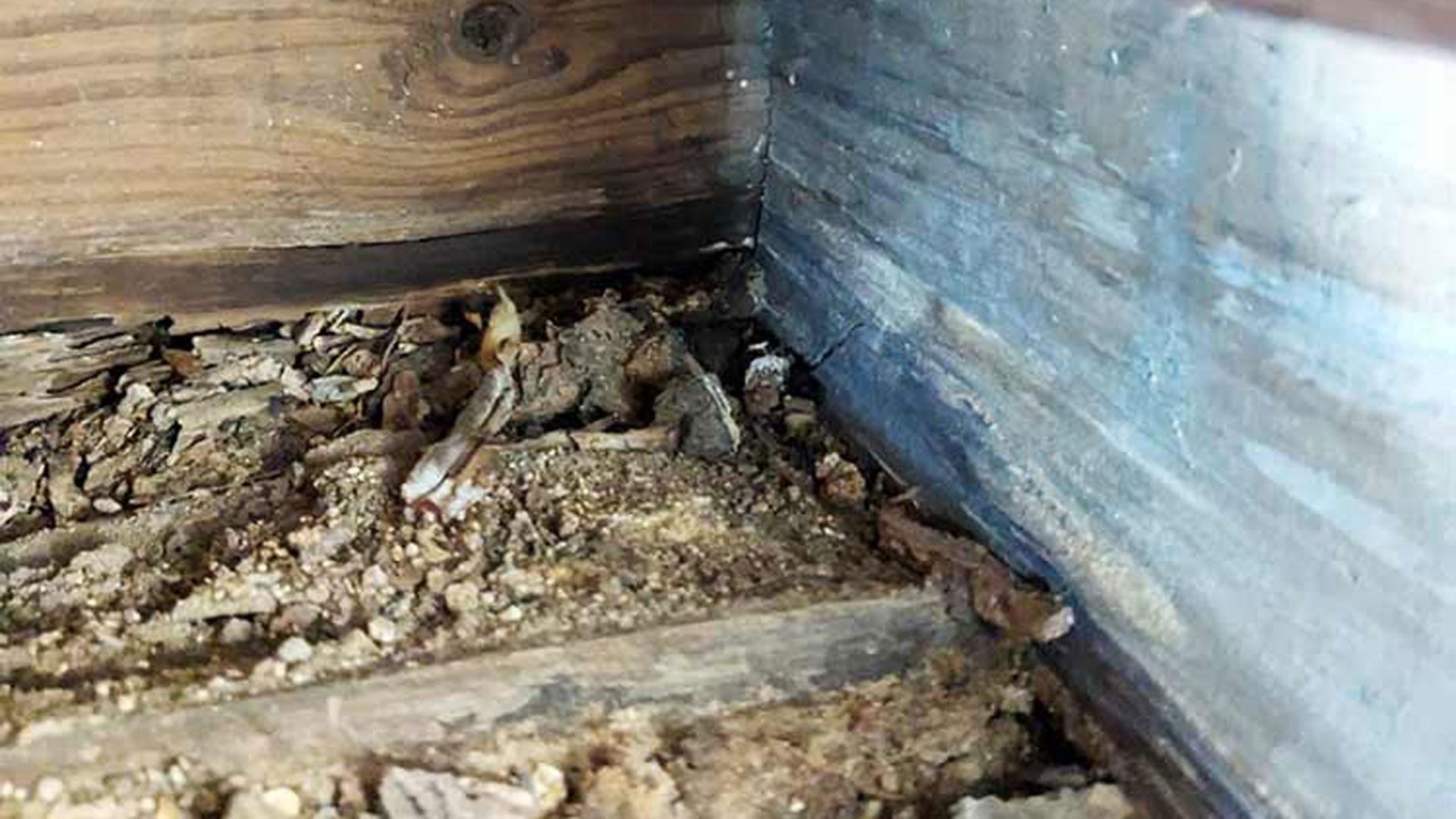
Common Termite Entry Points
Foundation Cracks
Termites can squeeze through cracks as thin as a credit card, making foundation fissures a prime entryway.
Gaps Around Utilities
Openings around plumbing and electrical lines offer easy access for termites seeking shelter and food.
Wood-to-Soil Contact
Direct contact between wood and soil provides a direct path for termites to enter and start feeding.
Termites often leave subtle clues of their presence. Look for mud tubes along walls or foundations, which they use for travel. Discarded wings near windows or doors can indicate swarmers have entered. Tap on wood surfaces; if they sound hollow, termites might be feeding inside. Also, watch for sagging floors or small piles of sawdust-like droppings, known as frass. These signs suggest termites may have already infiltrated your home, and prompt action is necessary to prevent further damage.