

Carpenter Bee Control in Northern Indiana
Carpenter bees are easy to ignore at first. They are not aggressive, they do not sting often, and a couple of bees hovering around your deck in April does not seem like a big deal. But carpenter bees are wood-boring insects, and the damage they cause adds up quietly over time. By the time most homeowners take action, multiple generations of bees have been nesting in the same wood for years.
Sam's Pest Control treats carpenter bee infestations across Northern Indiana. If you are seeing bees near your wooden structures, the right time to act is now, before the damage gets worse.
Schedule a Free Inspection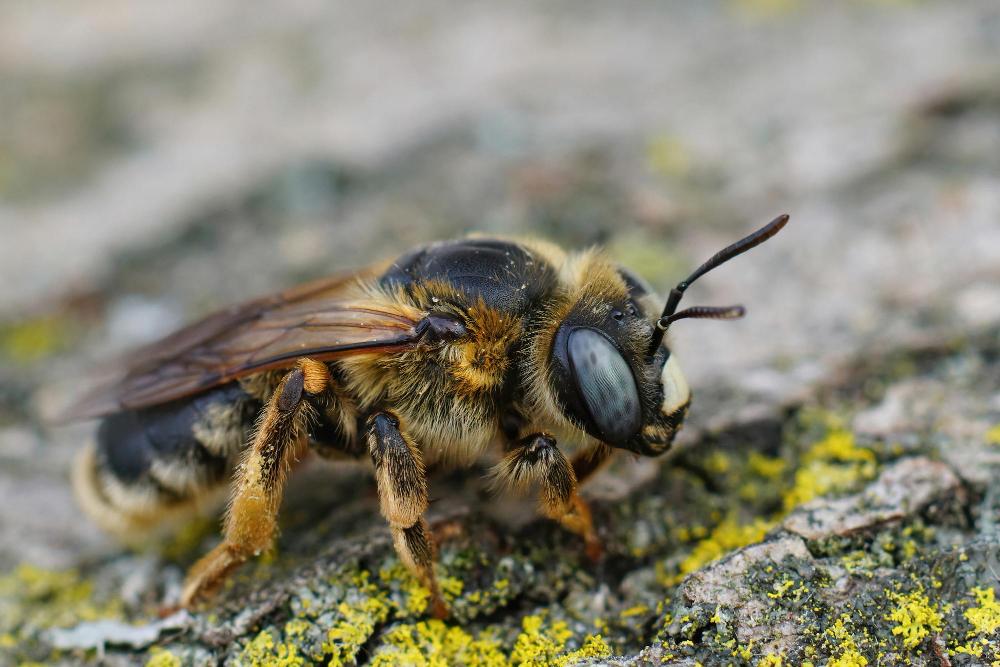
How to Identify Carpenter Bees
Carpenter bees are frequently mistaken for bumblebees because of their similar size and coloring. Knowing the difference matters, because the two insects behave very differently and require different responses.
Carpenter Bees
- Have a shiny, hairless black abdomen
- Are typically solitary rather than colony-based
- Drill perfectly round holes, about half an inch in diameter, into wood to create nesting galleries
- Are most active in spring when females are laying eggs
- Males hover aggressively near nests but cannot sting; females can sting but rarely do
Signs of Activity
- Round entry holes in wood, often on the underside of beams, decks, siding, fences, or window frames
- Coarse sawdust or yellow staining below entry holes
- Bees hovering and diving near the same areas repeatedly
- Woodpecker activity near wooden structures, since woodpeckers are attracted to carpenter bee larvae
If you are seeing any of these signs, it is worth having the damage assessed before nesting season is fully underway.
The Damage Carpenter Bees Cause
A single carpenter bee boring a hole in your deck is not an emergency. The problem is that carpenter bees return to the same nesting sites year after year, and each generation expands the existing galleries deeper into the wood.
Over several seasons, what started as a small entry hole becomes an extensive network of tunnels that can stretch a foot or more into a beam or board. Multiply that across multiple bees and multiple entry points, and the structural integrity of your decking, eaves, siding, or outbuildings can be genuinely compromised.
There are a few reasons the damage compounds faster than people expect:
Generational Nesting
Carpenter bees are strongly attracted to previously used nesting sites. New bees will return to old holes and expand them rather than starting elsewhere.
Woodpecker Damage
Woodpeckers hunt carpenter bee larvae by drilling into the wood alongside existing galleries. This secondary damage is often more visible and more extensive than the original bee activity.
Moisture Intrusion
Open holes in exterior wood allow moisture inside, which accelerates rot and can attract other wood-destroying insects over time.
Early treatment is significantly less costly than waiting until the damage requires structural repair.
How Sam's Treats Carpenter Bees
Effective carpenter bee treatment involves more than just swatting bees or plugging holes. Our approach addresses both the active infestation and the conditions that attract carpenter bees back to the same spots.
Inspection
We assess the extent of activity and identify all affected areas on your property, including spots you may not have noticed.
Treatment
We apply targeted insecticide treatments directly into active galleries and along surfaces where bees are landing and drilling. This eliminates active bees and discourages new activity.
Gallery Sealing
After treatment, entry holes are sealed to prevent new bees from moving into existing galleries and to block moisture from entering the wood.
Prevention Recommendations
We advise on wood finishing, painting, and other preventive measures that make your wood less attractive to future carpenter bee activity. Carpenter bees strongly prefer bare, weathered wood over painted or stained surfaces.
We also offer ongoing service plans that include carpenter bee treatment as part of seasonal pest coverage, so you are not caught off guard each spring.
When to Call Us
The best time to treat carpenter bees is early spring, when females are actively drilling and before eggs have been laid deep inside the galleries. Treatment at this stage is more effective and prevents a new generation from establishing itself.
That said, carpenter bee treatment is worthwhile at any point during the active season. If you are seeing activity in summer, bees are still present and still causing damage.
Call Us If You Notice:
- Fresh sawdust or yellow staining below holes in your wood
- Bees repeatedly returning to the same area of your home or outbuildings
- Round holes appearing in decking, siding, eaves, fence posts, or wooden furniture
- Woodpecker activity concentrated around a specific structure
- Old holes from previous seasons, which signal that bees will return
Do not wait until the holes multiply. Contact us for a free inspection and we will assess the damage and recommend the right course of action.

Frequently Asked Questions
Are carpenter bees dangerous?
Male carpenter bees are territorial and will hover aggressively near nests, but they do not have stingers. Female carpenter bees can sting but are rarely aggressive and typically only do so if handled directly. The real danger from carpenter bees is not to people but to your property.
Can I treat carpenter bees myself?
Hardware store sprays can kill individual bees on contact, but they do not address bees already inside galleries, eggs that have been laid, or the conditions that will bring bees back next season. DIY treatment also typically does not include gallery sealing, which means moisture and new bees can move into the same holes. Professional treatment is more thorough and more cost-effective in the long run.
Why do carpenter bees keep coming back to the same spots?
Carpenter bees are strongly attracted to previously used nesting sites. The scent markings and existing galleries make old holes highly appealing to new bees each spring. Sealing galleries after treatment and finishing bare wood surfaces are the two most effective ways to discourage them from returning.
What time of year are carpenter bees most active?
Carpenter bees are most active in spring, typically April through June in Indiana, when females are drilling and laying eggs. You may see continued activity through summer as larvae develop. Adults overwinter in old galleries and emerge again the following spring.
Will painting or staining my wood prevent carpenter bees?
It significantly reduces the likelihood of infestation. Carpenter bees strongly prefer bare, unfinished, or weathered wood. Painting or staining exposed wood surfaces is one of the most effective long-term prevention strategies, especially on decks, fences, and eaves.
Do you treat outbuildings and fences, or just the main house?
We treat any wooden structure on your property where carpenter bee activity is present, including decks, fences, sheds, barns, pergolas, and outbuildings.
Ready to Stop the Damage?
Early treatment is significantly less costly than waiting until carpenter bee damage requires structural repair. Sam's Pest Control is ready to help.
Request Your Free Inspection