
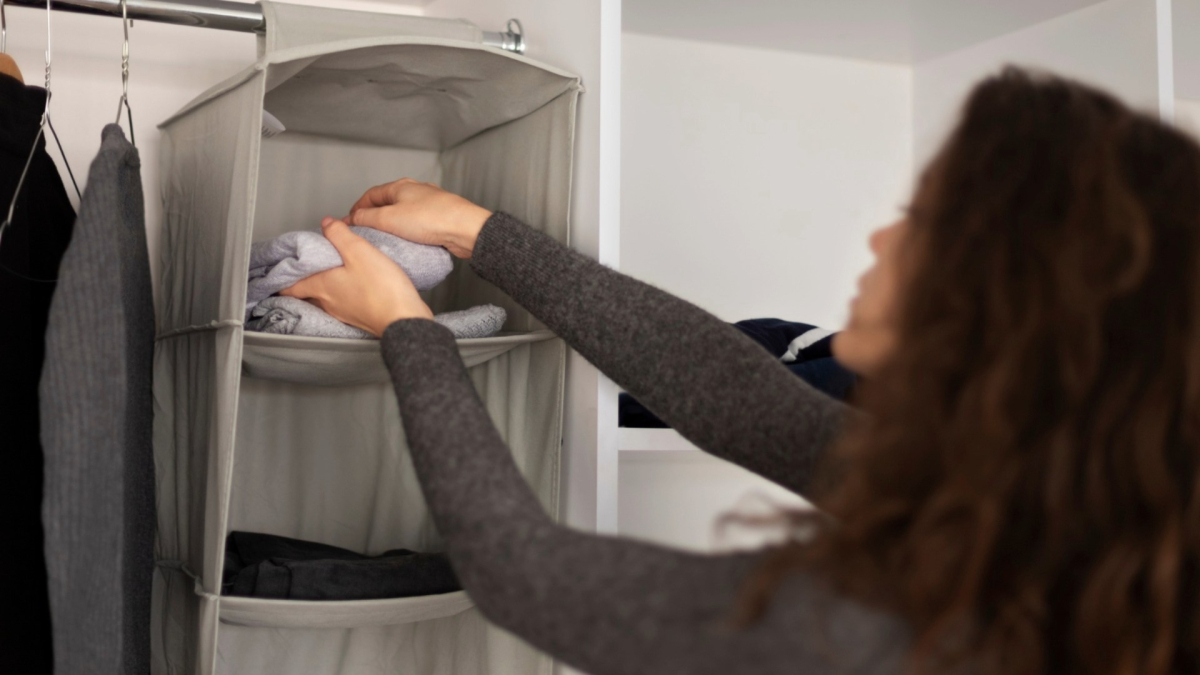
You have made the smart call and scheduled a bed bug heat treatment. The hard decision is behind you, and now there is one more thing standing between you and a bug-free home: getting ready for treatment day. Preparation is not busywork. It is the single biggest factor in whether your treatment eliminates bed bugs in one visit or leaves a few survivors behind to start the problem all over again.
The good news is that the preparation is straightforward, and your technician will walk you through it. This guide explains exactly what to do before the crew arrives, why each step matters, and what to expect on the day itself.
Quick Summary
- Before your bed bug heat treatment, you will need to do four things: remove heat-sensitive items that could be damaged by high temperatures, launder and bag your fabrics using a clean-versus-dirty system, open up your space so heat can reach every hiding spot, and plan for people, pets, and plants to be out of the home during treatment.
- Heat is the primary treatment, reaching temperatures lethal to bed bugs at every life stage, followed by a targeted chemical spot treatment at a follow-up inspection two to three weeks later.
- Most treatments allow you to return home the same day. Proper preparation is what makes a single treatment work, so follow your technician's checklist closely.
How Bed Bug Heat Treatment Works, Briefly
Understanding the basics of how heat treatment works makes the preparation steps make sense.
Using professional equipment, the treatment raises the temperature inside your home or the affected space to a level that is lethal to bed bugs at every stage of their life cycle, including eggs. High-powered fans circulate that heat to eliminate the cold spots where bugs could otherwise survive. Because heat penetrates walls, furniture, and mattresses, it reaches the hidden places that sprays and dusts cannot reliably get to.
At Sam's Pest Control, our approach combines heat as the primary treatment with a targeted chemical follow-up. After the heat treatment, we return two to three weeks later for a follow-up inspection and spot treat with chemical if anything remains. Together, the two methods deliver faster, more complete elimination than chemical-only treatments. You can read more about the full process on our bed bug heat treatment page.
Why Preparation Matters
Heat treatment works by getting the entire treatment area hot enough, evenly enough, to kill bed bugs wherever they are hiding. Preparation serves that goal in two ways:
- It protects your belongings. Some items do not tolerate high heat, and removing them beforehand prevents damage.
- Preparation eliminates the cold spots where bed bugs could survive. Clutter, packed closets, and furniture pushed tight against walls all block airflow and trap pockets of cooler air. Clearing and opening those spaces lets the heat reach everywhere it needs to go.
When homeowners skip preparation steps, the most common result is an uneven treatment that leaves a small surviving population, and even a few bed bugs can rebuild an infestation. The time you put in beforehand is what makes one treatment enough.
Before Treatment Day: Your Preparation Checklist
Your technician will give you a specific checklist tailored to your home. The steps below cover what nearly every preparation involves.
1. Remove Heat-Sensitive Items
High temperatures can damage certain belongings, so these need to be removed from the treatment area before the crew arrives:
- Candles, wax items, and anything that melts
- Aerosol cans, pressurized containers, and flammables
- Certain medications and supplements (check labels for heat warnings, and ask your pharmacist if unsure)
- Some cosmetics and personal care products
- Houseplants
- Fresh and perishable food, and chocolate or items that melt
- Vinyl records and similar heat-sensitive media
- Certain delicate electronics your technician flags
When in doubt about a specific item, ask your technician during scheduling. It is always better to remove something unnecessarily than to lose it.
2. Launder and Bag Your Fabrics
Clothing, bedding, and linens need attention both to treat them and to keep treated items from being re-contaminated.
Wash and dry fabrics on the highest heat setting the material allows, since the dryer's heat kills bed bugs and eggs. Once an item is treated or laundered, seal it in a plastic bag so it stays protected. A simple clean-versus-dirty bagging system helps: keep laundered items in clearly separated, sealed bags so you do not mix them up with anything still waiting to be treated. Label the bags if it helps you keep track.
3. Open Things Up for Airflow
This step is what lets the heat do its job. Your goal is to give the warm air a clear path to every potential hiding spot.
- Open closet doors, dresser drawers, and cabinets
- Pull furniture a few inches away from the walls
- Remove or reduce clutter, especially piles of clothing, boxes, and stored items
- Open suitcases and bags that stay in the home
- Follow any specific instructions your technician gives about beds and upholstered furniture
The less packed and the more open your space is, the more evenly it heats, and the more thoroughly the treatment works.
4. Plan for People, Pets, and Plants
People and pets cannot be in the home during a heat treatment, and that includes fish, reptiles, and birds along with cats and dogs. Plan to be out for the duration of the treatment, and arrange care or a temporary spot for any animals. Houseplants should be removed as noted above. Your technician will tell you the expected time window so you can plan your day.
What to Expect on Treatment Day
When the crew arrives, the process generally follows the same sequence.
It begins with a final inspection to confirm the affected areas and verify your preparation is complete. The team then sets up professional heating equipment and high-powered fans and brings the treatment area up to the lethal temperature threshold. Throughout the process, technicians monitor temperatures in multiple locations to make sure every part of the space, including the hidden voids, reaches and holds the temperature needed to kill bed bugs and eggs.
Most residential heat treatments take several hours, often in the range of six to eight, depending on the size of the space and the severity of the infestation. Your technician will give you a specific estimate after the inspection.
After Treatment: Returning Home and the Follow-Up
One of the biggest advantages of heat treatment is that you are usually not displaced for days. In most cases, you can return home the same day, once the space has cooled and the technician confirms it is ready.
As you move back in, return your laundered and bagged items, and keep an eye out as instructed. Then comes the important final step: two to three weeks after the initial treatment, we return for a follow-up inspection and spot treat with chemical if any activity remains. This combined approach is what makes the elimination thorough and lasting.
Preventing a Return
Heat treatment clears the infestation you have. Keeping bed bugs from coming back is about not re-introducing them.
A few simple habits go a long way. Inspect secondhand furniture, mattresses, and clothing carefully before bringing them home. When you travel, keep luggage off the bed and floor, check the mattress seams and headboard of your accommodations, and run your clothes through a hot dryer cycle when you return. Bed bugs are opportunists that hitch rides, so a little awareness is the best long-term protection.
Quick Do's and Don'ts
Do:
- Follow your technician's specific checklist closely
- Remove all heat-sensitive items before the crew arrives
- Launder fabrics on high heat and bag them in a clean-versus-dirty system
- Open closets, drawers, and furniture, and clear clutter for airflow
- Plan for all people and pets to be out for the full treatment window
Don't:
- Skip preparation steps to save time, since that is the top reason treatments underperform
- Leave candles, aerosols, or heat-sensitive medications in the treatment area
- Pack treated items back into a cluttered, unopened space before the home is cleared
- Bring untreated secondhand items into the home afterward without inspecting them
Frequently Asked Questions
How long does a bed bug heat treatment take?
Most residential treatments take several hours, often six to eight, depending on the size of the space and how severe the infestation is. Your technician will give you a specific estimate after inspecting the area.
Do I have to leave my home during treatment?
Yes. People and pets need to be out of the home for the full treatment window because of the high temperatures involved. In most cases you can return the same day, once the space has cooled and your technician confirms it is ready.
What about my pets?
All animals need to be out of the home during treatment, including dogs, cats, fish, reptiles, and birds. Plan ahead for where they will go for the day.
Will my belongings be damaged?
Most household items handle the heat without any problem. The exceptions are heat-sensitive items like candles, aerosols, certain medications, houseplants, and some electronics, which is exactly why removing them beforehand is part of the preparation. When in doubt about a specific item, ask your technician.
Do I have to throw out my mattress?
In most cases, no. Heat treatment is designed to eliminate bed bugs in place, including in mattresses and furniture. Your technician will let you know during the inspection if anything actually needs to be removed or replaced.
Is one treatment enough?
In most cases, yes, when the space is properly prepared. Even heating is what kills bed bugs at every life stage in a single visit, and the follow-up inspection two to three weeks later confirms the space is clear and addresses anything remaining. Thorough preparation is what makes that single treatment work.
Ready for Treatment Day
A little preparation is what turns a heat treatment into a permanent solution. Follow your checklist, clear the way for the heat to do its work, and you give the treatment its best chance to eliminate bed bugs in a single visit.
If you have questions about preparing your home, or you are still weighing your options for dealing with bed bugs, contact Sam's Pest Control and we will give you a straight answer. We also provide bed bug heat treatment for apartment complexes and property managers across the region.
Call (219) 290-9489. Monday through Friday, 9am to 5pm. Urgent situations? Call us directly.